Why Do Many Vietnamese AI Chatbots Fall Short of Expectations?
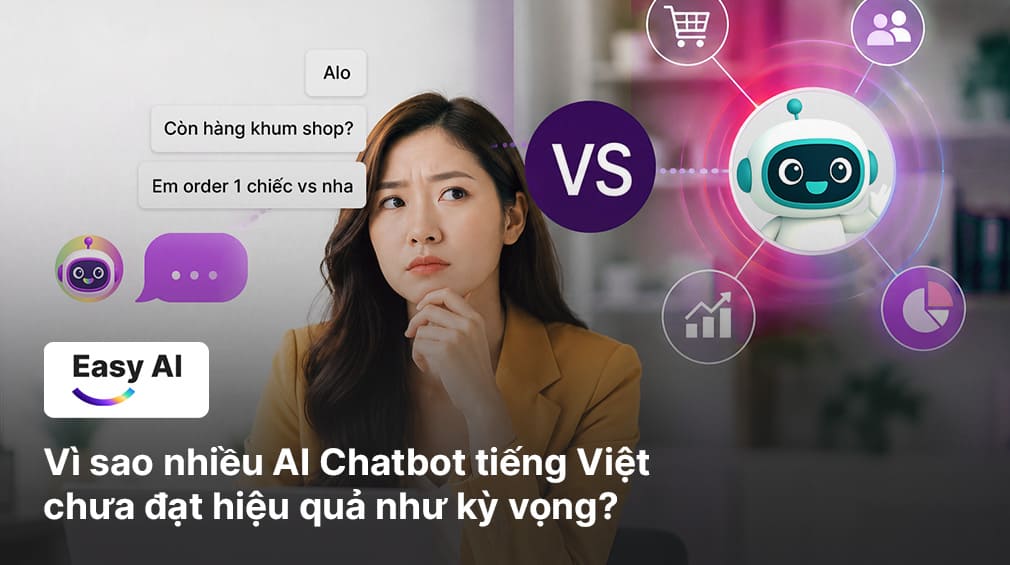
1. Vietnamese AI Chatbots Are Becoming a New Customer Care Channel for Enterprises
1.1 What Is a Vietnamese AI Chatbot?
An AI Chatbot is a technology that leverages artificial intelligence to simulate conversations between businesses and customers. Thanks to natural language processing capabilities, AI can receive requests, analyze context, and automatically respond across multiple channels such as websites, Facebook, Zalo, or customer service systems.
Moving beyond basic automated reply tools, AI Chatbots for Vietnamese enterprises are gradually becoming crucial instruments in sales operations, reducing workload for customer service teams, and optimizing operational performance.
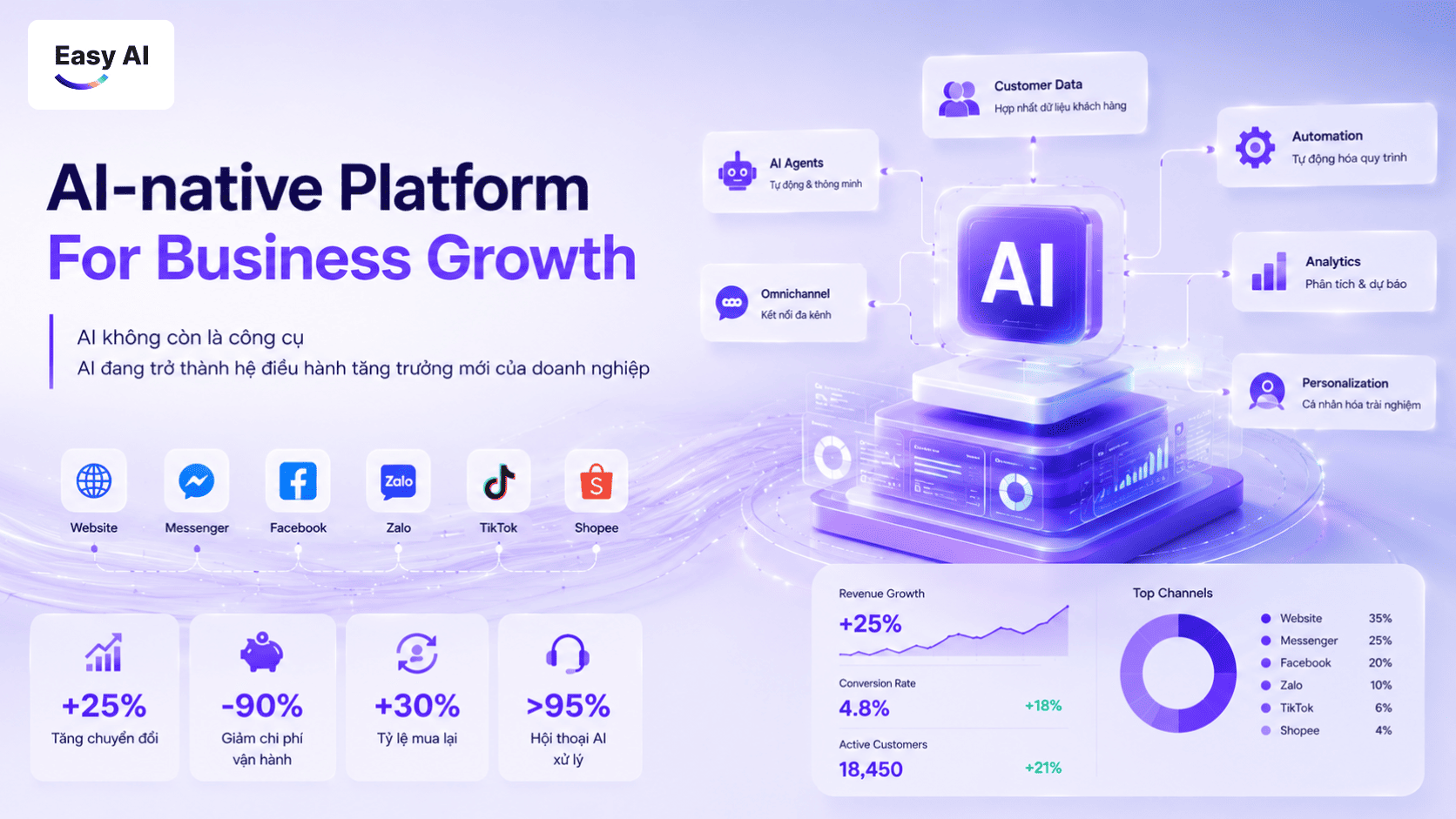
Through consulting and deploying AI for businesses across retail, e-commerce, healthcare, and service sectors, Easy AI observes that Vietnamese AI Chatbots are among the most sought-after AI applications today. Many enterprises have recorded up to a 25% increase in conversion rates, a 30% rise in repurchase rates, a 90% reduction in operational costs, and up to a 95% reduction in processing time for common customer care tasks after adopting AI Chatbots into sales and customer care.
1.2 Benefits of Vietnamese AI Chatbots for Enterprises
Unlike automated reply systems that focus solely on conversational responses, modern AI Chatbots participate directly in sales, customer service, and operational optimization.
Accelerating Customer Response Speeds: Providing 24/7 consultation and care across multiple channels, minimizing missed sales opportunities.
Reducing Workload for CS Teams: Automatically handling common questions so staff can focus on higher-priority cases.
Increasing Conversion Rates: Assisting with consultation, resolving inquiries, and guiding customers throughout their buying journey.
Standardizing Customer Experiences: Ensuring consistent response information across all interaction touchpoints.
Leveraging Data More Effectively: Collecting and analyzing conversational data to optimize sales and customer care.
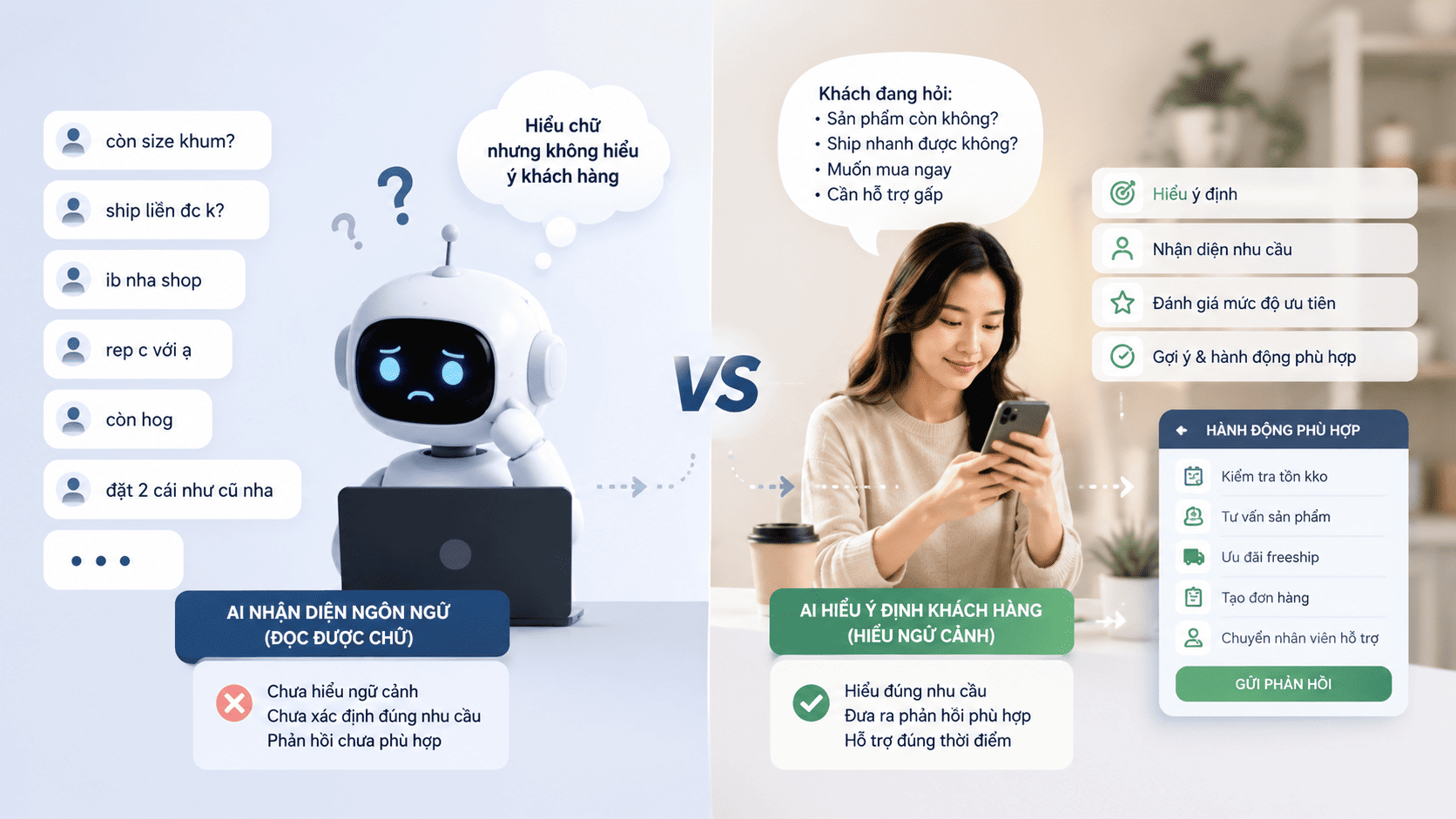
However, during practical deployment, many enterprises encounter a major issue: AI can speak Vietnamese, but it still does not truly understand Vietnamese customers.
2. Why Does Understanding Vietnamese Remain a Challenge for AI Chatbots?
Although Vietnamese processing capabilities have improved significantly in recent years, many AI systems still struggle when deployed in real-world sales and customer service environments in Vietnam. Root causes generally stem from four main issues:
Lack of Understanding of How Vietnamese Customers Communicate: Users frequently use abbreviations, teencode, misspellings, or send extremely short messages like "ib", "rep c", "còn hog", or "ship liền dc k". These are familiar communication styles for local businesses but represent difficult data to process for many AI models trained on global datasets. As a result, AI can read the words but fails to grasp the customer's true intent.
Lack of Contextual and Buying Intent Comprehension: When customers message "Còn size khum?", "Có freeship không shop?", or "Anh cần xuất VAT", AI needs to recognize whether the customer is exploring products, requiring urgent support, or at the closing stage. Recognizing language without understanding context causes AI to deliver inaccurate responses or miss conversion opportunities.
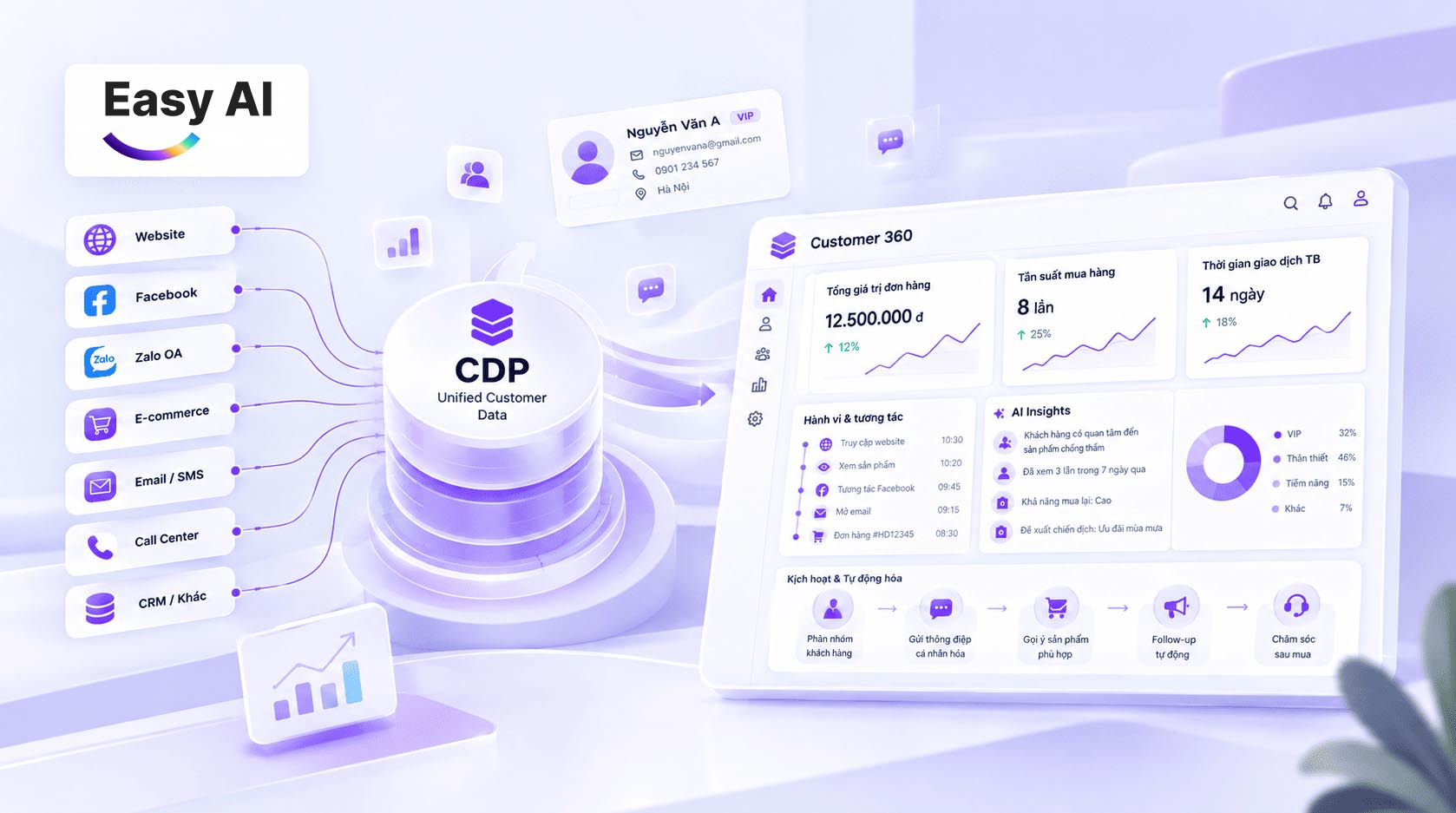
Lack of Integration with Operational Data and Processes: Many current AI Chatbots focus solely on conversation without integrating with customer data, inventory, shipping, promotions, or customer care workflows. This makes it difficult for AI to support practical tasks such as checking stock, tracking orders, processing returns, or routing to human agents when needed.
Lack of Optimization for Vietnamese Business Environments: Every business possesses distinct sales processes, policies, and customer care approaches. If AI does not learn from actual operational data, the system remains stuck at a "can chat" level rather than generating value for sales and customer care activities.
3. Current AI Chatbot Models in the Market
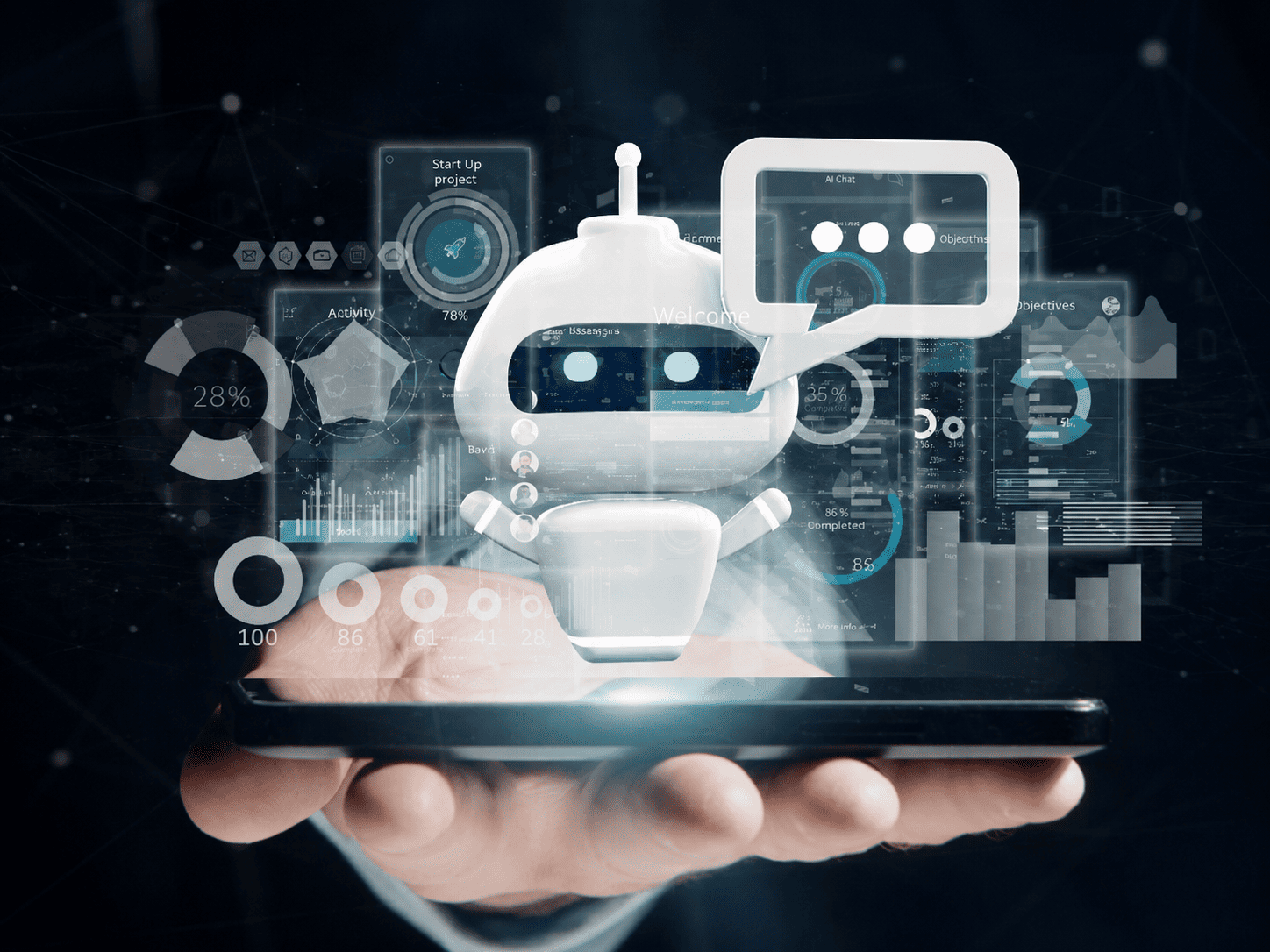
The development of AI has produced various AI Chatbot models, ranging from script-based chatbots to AI systems capable of learning and participating deeper in sales and customer care. However, not all solutions solve practical business operational challenges.
Model | Characteristics | Advantages | Limitations |
|---|---|---|---|
Script-Based Chatbot | Operates based on predefined conversation flows | Easy to deploy, suitable for repetitive questions | Struggles with out-of-script scenarios, lacks flexibility |
Generalized AI Chatbot | Understands natural language and responds more flexibly than traditional chatbots | More natural conversational experience | Lacks understanding of internal data and operational context |
Data-Integrated AI Chatbot | Connects to enterprise knowledge bases, customer data, and internal processes | Context-aware responses, better advisory support | Dependent on data quality and integration depth |
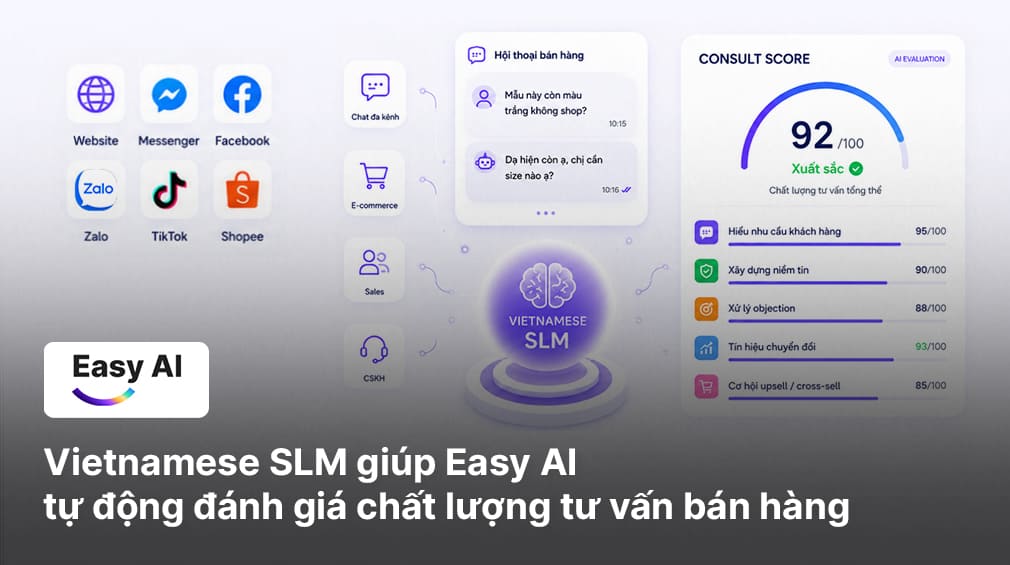
Omnichannel Operational AI Chatbot | Connects website, Facebook, Zalo, CRM, and management systems | Synchronizes data, supports sales and CS across touchpoints | Requires an AI-native platform and deep integration capabilities |
The AI Chatbot market is shifting from script-based chatbots toward systems capable of understanding data, context, and directly participating in sales and customer care.
The difference no longer lies in how many questions AI can answer, but in its ability to understand customers, connect data, and help businesses operate more efficiently.
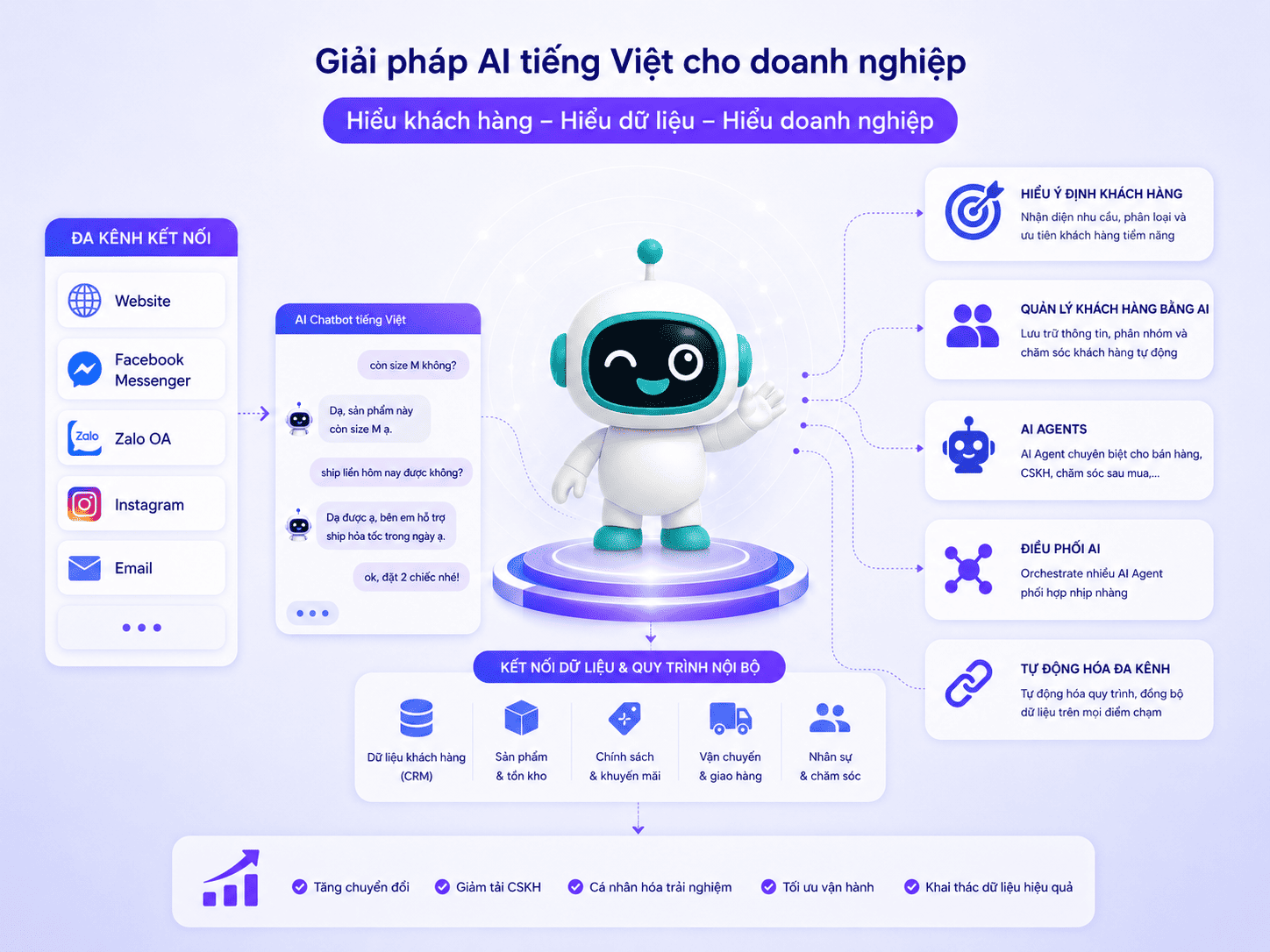
This is why omnichannel AI Chatbots are becoming a preferred trend for many businesses. Instead of operating multiple isolated chatbots, enterprises can connect Website, Facebook, Zalo, and CRM systems on a single platform to synchronize data and customer experiences.
4. Easy AI – Understanding How Vietnamese Customers Communicate and How Local Enterprises Operate
Easy AI—an AI-native platform—is a Vietnamese AI solution for CS and sales developed specifically for local enterprises rather than focusing purely on language processing capabilities.
Easy AI aims to comprehend customer intent, optimize actual sales conversations, connect customer data and internal processes to make AI an integral part of enterprise operations. The system supports Vietnamese AI Chatbots, AI Agents, AI-driven customer management, and omnichannel automation to build AI-operated customer care experiences.
Unlike solutions that stop at conversational replies, Easy AI focuses on learning from actual operational data to help AI accurately grasp Vietnamese business contexts.
5. Conclusion
AI Chatbots for enterprises are no longer about "whether AI can speak Vietnamese." What matters more is whether AI understands how Vietnamese customers communicate, grasps business operational processes, and generates actual business results.
As AI transitions from a support tool to operational infrastructure, enterprises require a Vietnamese AI solution capable of understanding customer needs, operating omnichannel, and optimizing based on real data rather than just delivering basic conversational replies.
This represents a critical criterion when selecting a Vietnamese AI Chatbot solution during the current AI digital transformation era. Contact Easy AI right here to evaluate AI readiness and find the right solution for your business.
Topics