

Google Assistant: The AI Giant Shaping the Future and EAI’s Journey from Vietnam
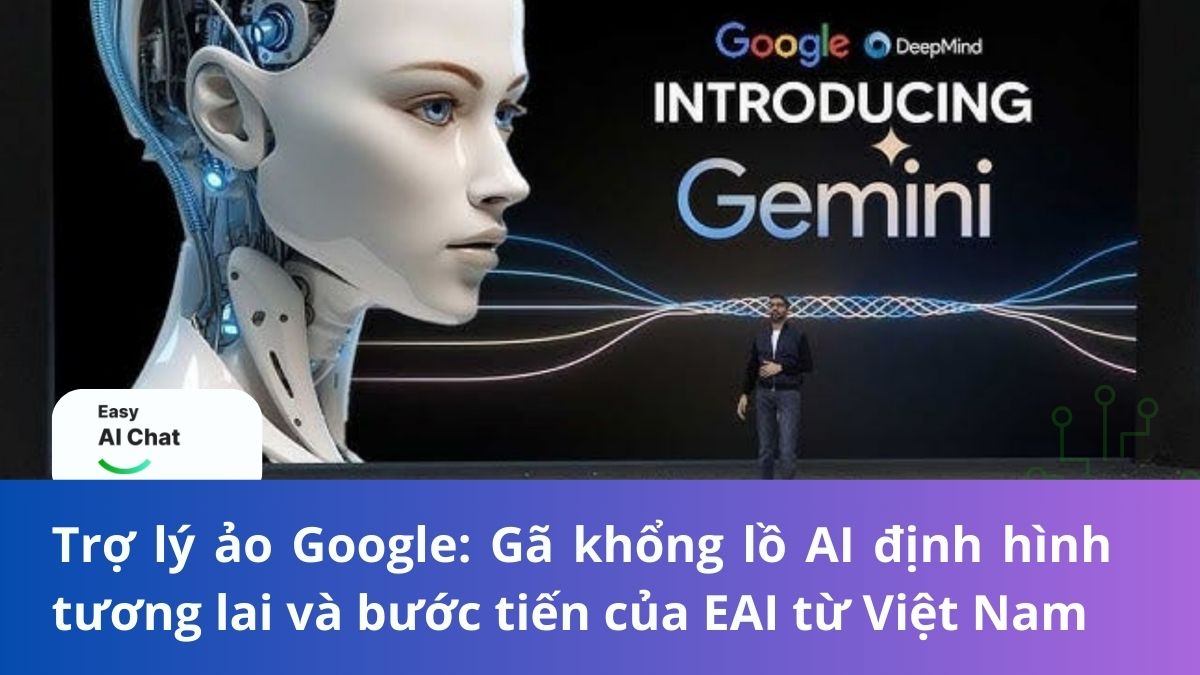
1. Google Assistant – The Voice Communication Revolution
In this communication revolution, Google Assistant has emerged as one of the leading “giants,” shaping entirely new digital interaction experiences. This article takes an in depth look into the world of Google Assistant, analyzing its role and development trends in the global market, while also highlighting the efforts of Vietnamese brands such as Easy AI Agents (EAI) in applying and developing virtual assistant technology tailored for Vietnamese users.
2. Decoding the Technological Power of Google Assistant
So, what exactly is Google Assistant? Essentially, it is an AI powered virtual assistant developed by Google, integrated across a wide range of devices and platforms, from Android smartphones and Google Home smart speakers to the Chrome browser and many other applications. The strength of Google Assistant lies in its core AI technologies, particularly natural language processing (NLP) and machine learning. Thanks to these technologies, Google Assistant can understand and respond to human language in an increasingly natural and intelligent way.
The features of Google Assistant are diverse and continuously expanding, including:
- Information search: With simple voice commands, Google Assistant can quickly retrieve information via Google Search, from weather forecasts and news to specialized knowledge.
- Schedule and task management: Setting alarms, creating calendar events, taking notes, and sending reminders – Google Assistant helps organize daily life and work in a structured and efficient manner.
- Smart device control: Connect and control compatible smart home devices such as lights, TVs, air conditioners, and robot vacuums using only voice commands, enabling a convenient and connected smart home experience.
- Entertainment: Play music, watch videos on YouTube, listen to audiobooks, or play games – Google Assistant provides flexible entertainment options at home.
- Translation and multilingual communication: Instantly translate between languages, making communication with foreigners easier and more accessible.
One of the greatest advantages of Google Assistant is its deep integration within the Google ecosystem. From the world’s most widely used Android operating system and the familiar Chrome browser to the massive YouTube video platform and the highly detailed Google Maps, Google Assistant fully leverages this ecosystem to deliver a seamless and versatile user experience.
3. Dominating the Virtual Assistant Market and the Numbers That Matter
The popularity and strength of Google Assistant are clearly reflected in impressive statistics across the global virtual assistant market. According to reports from Statista, Google Assistant is currently one of the world’s leading voice assistant platforms, competing directly with rivals such as Apple’s Siri and Amazon’s Alexa.
- Leading brand awareness: Google Assistant has the highest brand recognition among voice assistants, with [percentage]% of global consumers aware of the brand, according to [source name].
- Massive number of activated devices: It is estimated that Google Assistant has been activated on billions of devices worldwide, including smartphones, tablets, smart speakers, smart TVs, cars, and wearables. This figure continues to grow over time, demonstrating the strong penetration of Google Assistant into everyday life.
- Increasing usage frequency: Users are interacting with Google Assistant more frequently. On average, a Google Assistant user engages with the assistant [number] times per day, performing a wide range of tasks such as information search, device control, entertainment, and learning.
- Broad application across industries: Google Assistant is not only popular in consumer use cases but is also widely applied across multiple industries, including customer service, retail, healthcare, education, and manufacturing.
4. Google Assistant and Digital Life: Diverse Applications, Practical Benefits
Google Assistant is gradually becoming an indispensable part of the digital lives of millions of people worldwide, delivering tangible benefits and unprecedented convenience.
1. In personal life:
- Simplifying daily tasks: Instead of manual operations, users can easily set alarms, create calendar events, look up information, make calls, send messages, and control smart home devices using only voice commands, saving time and effort.
- Entertainment anytime, anywhere: Whether cooking, driving, or exercising, users can enjoy music, watch videos, or listen to audiobooks through Google Assistant, making every moment more engaging.
- A powerful assistant for learning and work: Google Assistant supports quick translation, note taking, and reference searches, helping users study and work more efficiently.
2. In business:
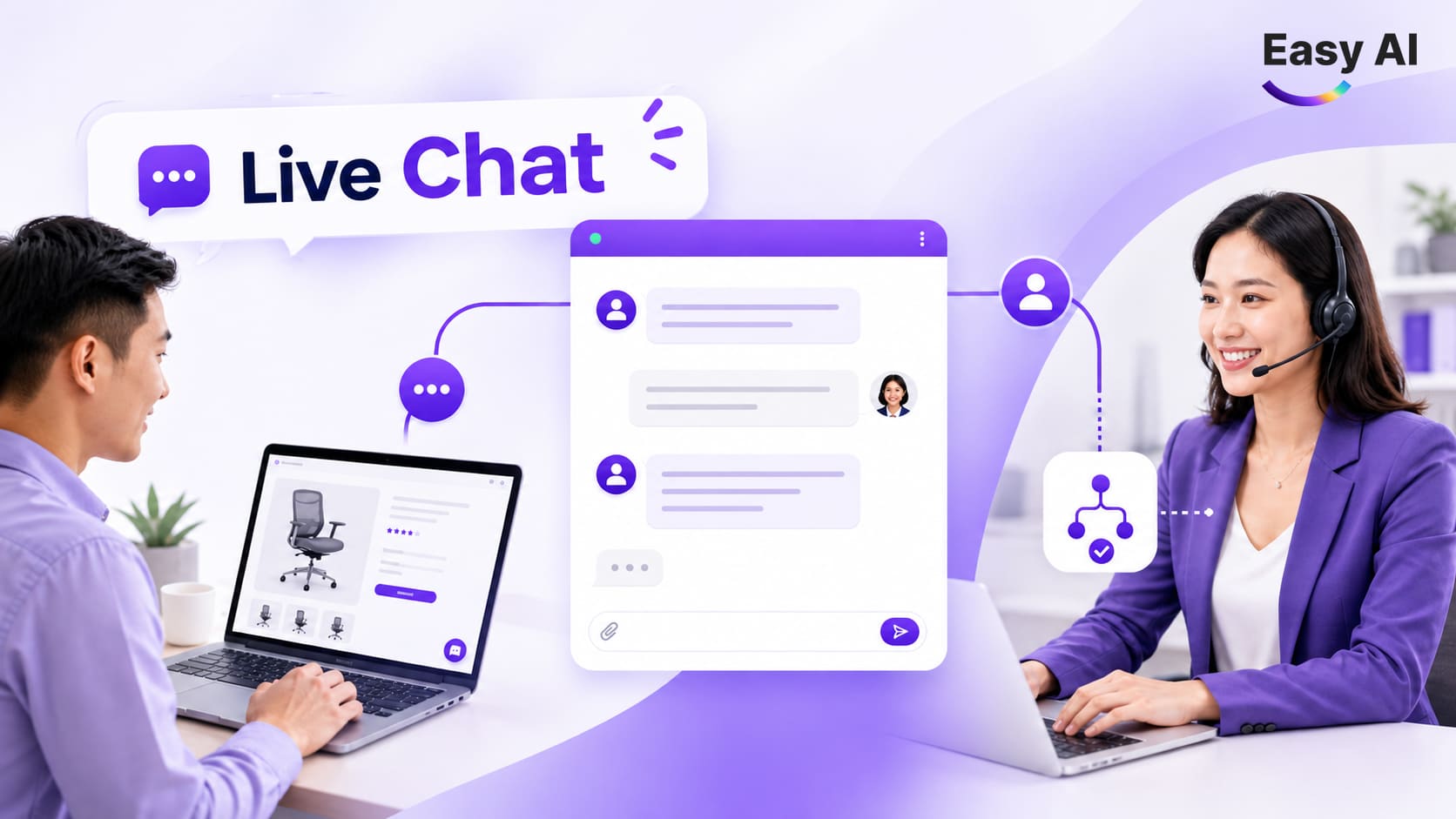
- Enhancing customer experience: Businesses can integrate Google Assistant into 24/7 customer service chatbots to answer questions, guide product usage, and handle support requests quickly and professionally, improving overall customer satisfaction.
- Optimizing internal workflows: Google Assistant can automate repetitive tasks such as scheduling meetings, sending notifications, and collecting employee feedback, helping businesses save time and resources.
- Smart data collection and analysis: Customer interactions with Google Assistant generate valuable data on customer needs, preferences, and behavior. Businesses can analyze this data to make informed decisions and continuously improve products and services.
5. Challenges and the Future of Google Assistant, and Opportunities for EAI
Despite its many achievements and significant growth potential, Google Assistant also faces considerable challenges, especially when expanding into markets with diverse languages and cultures such as Vietnam.
- Privacy and data security concerns: The collection and processing of large volumes of personal user data inevitably raise concerns about privacy and data security. Google must continue to strengthen safety measures and ensure transparency in how data used by Google Assistant is handled.
- Accuracy and language understanding, especially Vietnamese: Although major progress has been made, Google Assistant can still struggle with speech recognition and contextual understanding, particularly in Vietnamese, a language rich in tones, regional accents, and expressive variations.
- Cultural barriers and differences in user behavior: Google Assistant has largely been developed based on Western user culture and habits. To truly succeed in the Vietnamese market, deeper customization and localization are required to align with local culture, social norms, and technology usage behaviors.
However, these challenges also create opportunities for Vietnamese technology companies such as Easy AI Agents (EAI). With a deep understanding of the Vietnamese language, culture, and market, EAI is well positioned to develop highly localized virtual assistant solutions for Vietnamese users, addressing the limitations of international virtual assistant platforms.
Looking ahead, Google Assistant and other virtual assistant platforms are expected to continue evolving along the following trends:
- Smarter and more natural AI: Driven by rapid advances in artificial intelligence, virtual assistants will become increasingly intelligent, with improved learning capabilities, adaptability, and more natural, fluid interactions with humans.
- Deeper integration across devices and industries: Virtual assistants will extend beyond smartphones and smart speakers to be embedded in a wide range of devices, from cars and household appliances to medical and industrial equipment, forming a connected and intelligent ecosystem.
- Advanced personalization of user experiences: Virtual assistants will become deeply personalized, gaining a clearer understanding of individual user needs, preferences, and habits, enabling them to deliver highly relevant services and information, and creating unique, tailored user experiences.
Google Assistant has demonstrated a pioneering role in the digital interaction revolution, delivering intelligent, convenient, and efficient experiences to millions of users worldwide. However, for virtual assistant technology to truly serve Vietnamese users effectively, the active participation and contribution of Vietnamese enterprises are essential.
Easy AI Agents (EAI), with its mission to develop “Make in Vietnam” AI solutions, is committed to building virtual assistant platforms for Vietnamese users that truly understand the Vietnamese language, are deeply attuned to local culture, and meet the specific needs of the Vietnamese market. We can reasonably expect strong advancements from EAI and other Vietnamese companies in the virtual assistant space, contributing to Vietnam’s growing presence on the global AI technology map while delivering tangible value to the digital lives of Vietnamese users.
With the continuous evolution of AI and the efforts of companies like Easy AI Agents, the future of digital interaction with Google Assistant and Vietnamese focused virtual assistant solutions promises to be smarter, more convenient, and more human centric than ever before.
Topics