
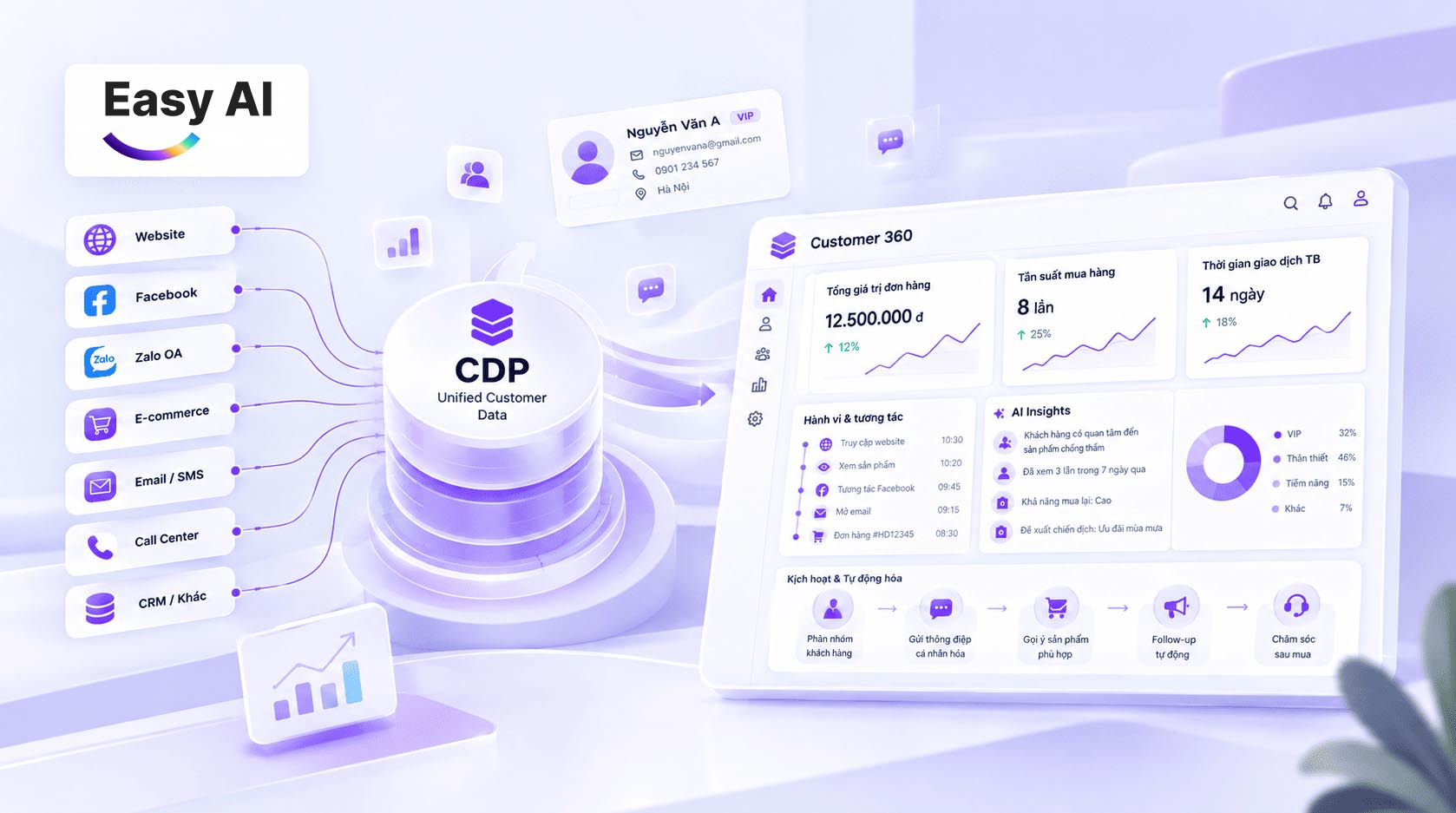
CDP in Marketing: Unifying Siloed Data for Growth
Learn about CDP in Marketing: how a customer data platform unifies data, builds customer 360, and enables personalization. Discover CDP solutions with Easy AI.
Category
Share knowledge, practical experience, and stories of AI adoption in business, from technology trends to how AI supports sales, customer service, and daily operations.
89 results
Learn about CDP in Marketing: how a customer data platform unifies data, builds customer 360, and enables personalization. Discover CDP solutions with Easy AI.
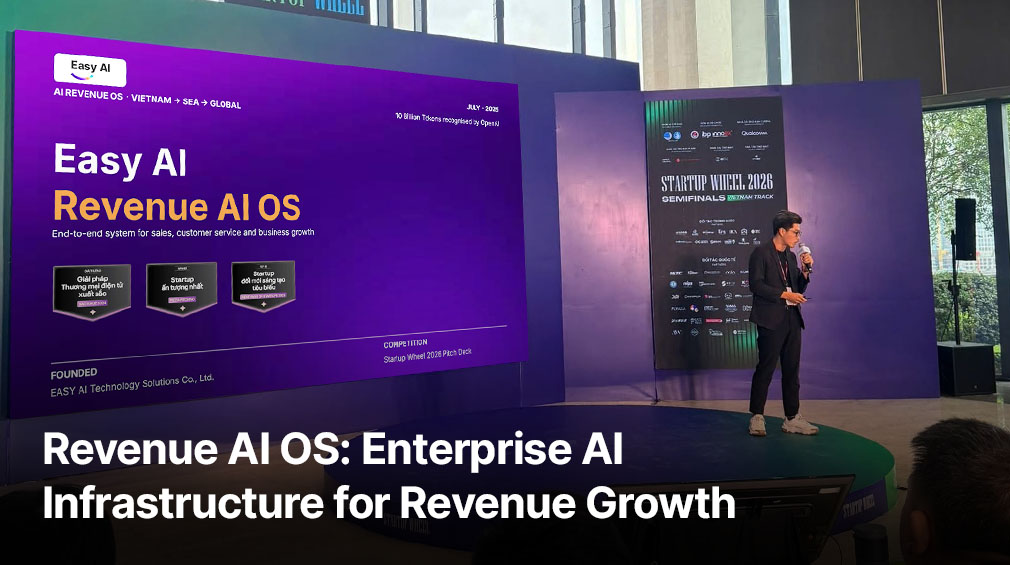
Revenue AI OS is an operating model that connects data, AI, and workflows within a unified operational layer, enabling businesses to embed AI into their processes and measure its impact on revenue.
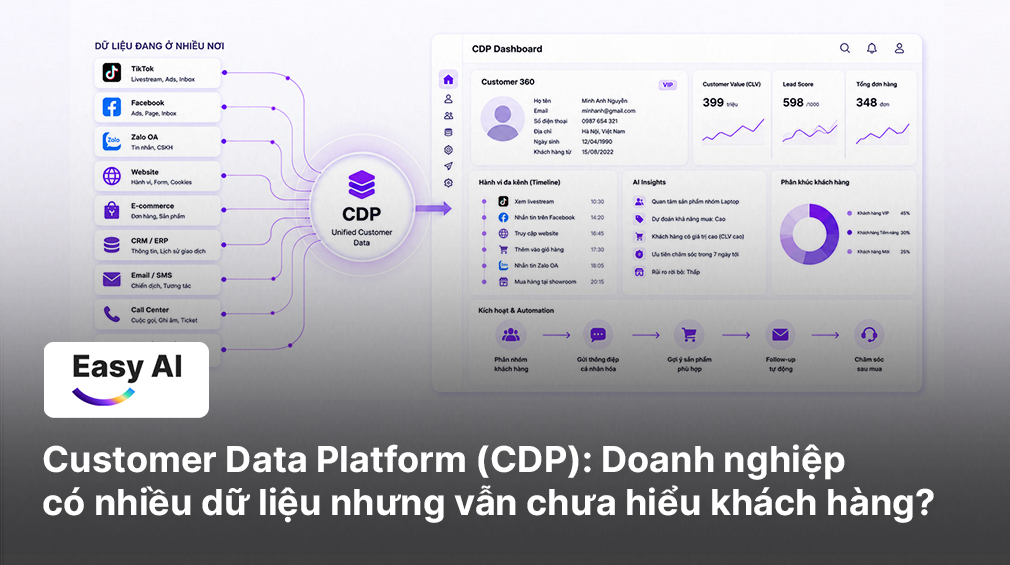
A Customer Data Platform (CDP) unifies customer data, builds Customer 360 profiles, and powers real-time AI to optimize growth and personalize customer experiences.
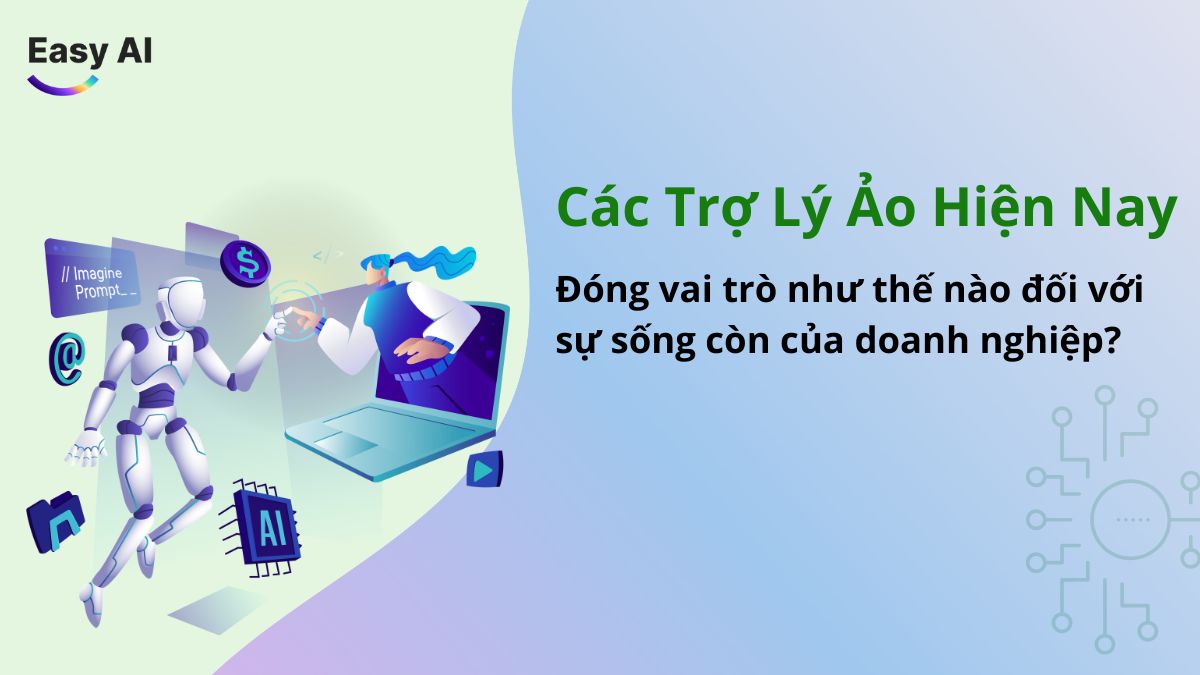
Virtual assistants are no longer a distant concept – they have become an essential part of how many businesses operate. Built on artificial intelligence (AI) platforms, especially AI Agents, these assistants are unlocking new opportunities to streamline workflows, increase efficiency, and deliver superior customer experiences.
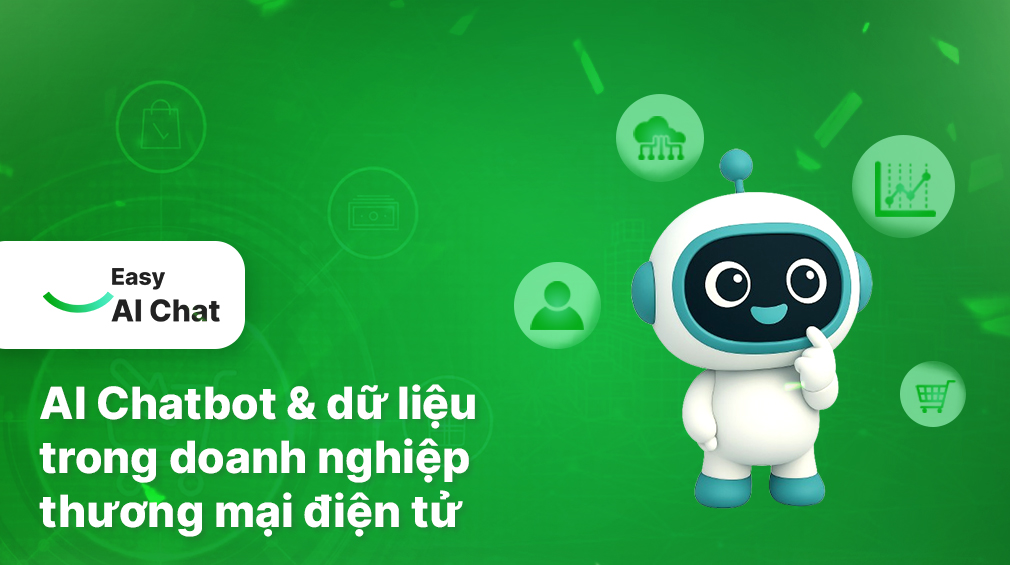
Khám phá cách Easy AI giúp doanh nghiệp TMĐT chuẩn hoá và khai thác dữ liệu hiệu quả. Biến dữ liệu rời rạc thành giá trị thực tế: tăng doanh thu, chăm sóc khách hàng, tối ưu vận hành.
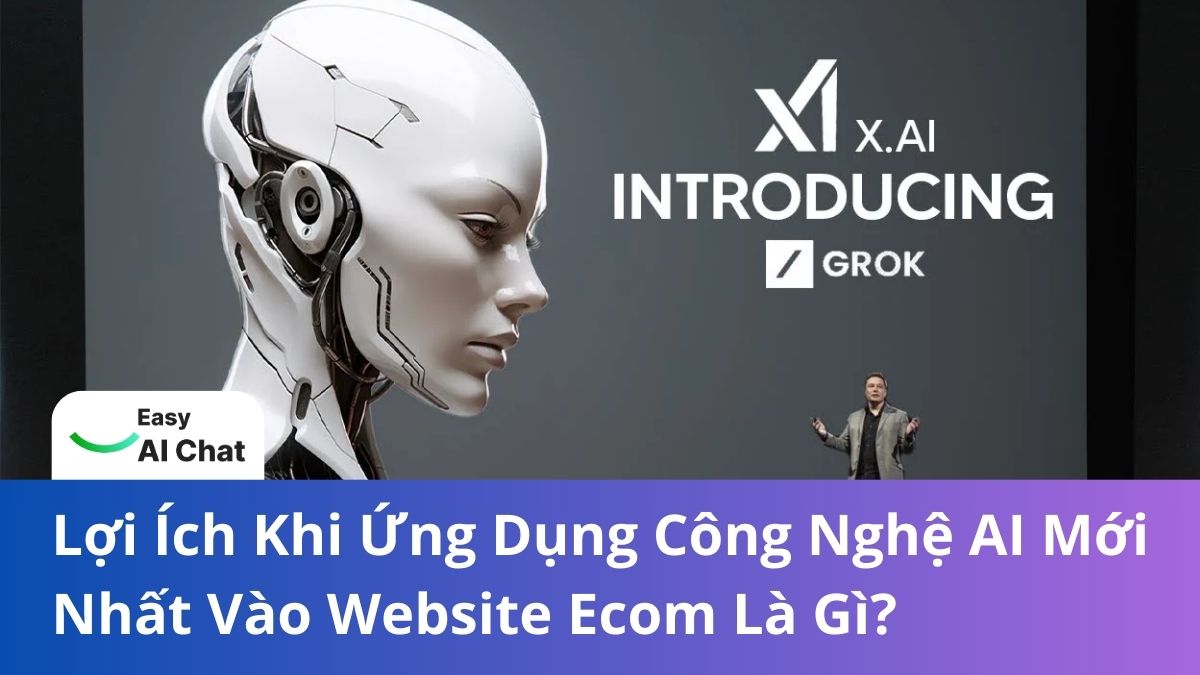
Trong thời đại công nghệ 4.0, trí tuệ nhân tạo (AI) đang dần trở thành yếu tố không thể thiếu đối với các doanh nghiệp, đặc biệt là trong lĩnh vực thương mại điện tử (eCommerce).

The benefits of artificial intelligence are becoming increasingly evident in today’s business landscape. From simple applications like customer-support chatbots to more advanced systems such as AI Agents that automate workflows, AI is opening a new era for businesses.

In the era of digital transformation, the accounting industry is undergoing profound changes, and the application of AI in accounting is emerging as an inevitable trend. Artificial intelligence (AI) not only automates repetitive tasks but also enables in-depth data analysis, accurate forecasting, and supports strategic decision-making.
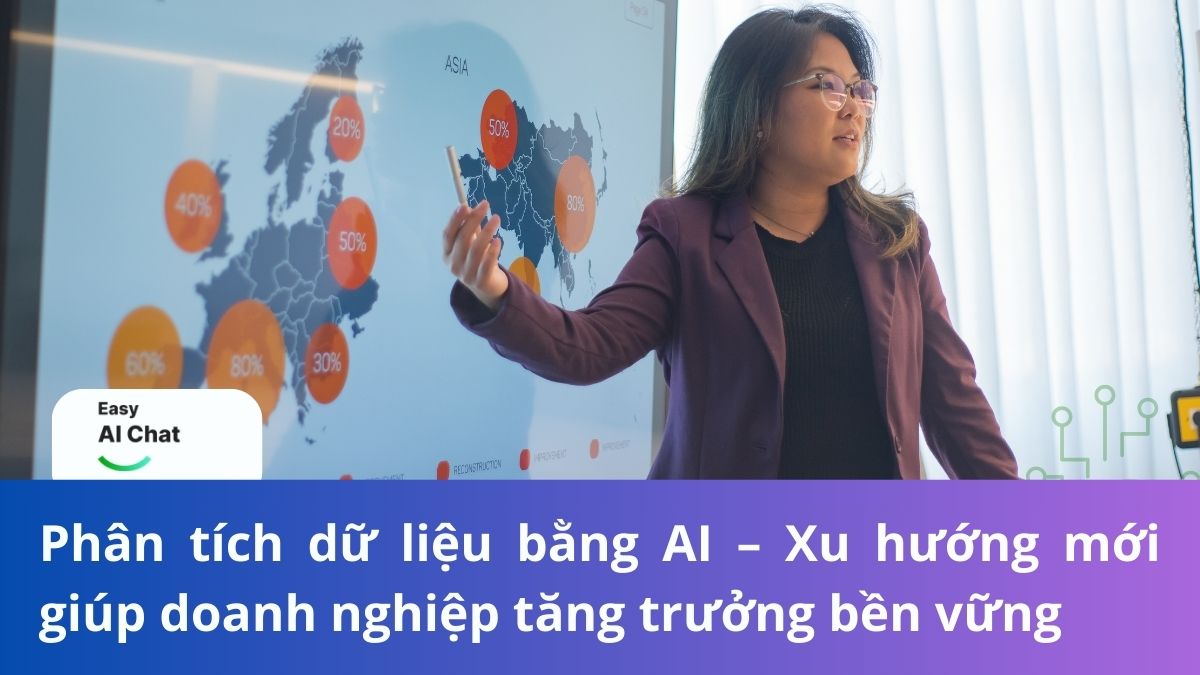
The global market is witnessing an AI revolution, with superior data analytics capabilities at the very center of this race. Businesses around the world are constantly seeking powerful solutions to fully unlock the value of their enormous data sources.

Have you ever imagined an education system where each student can learn at their own pace and in their own way? A learning environment where teachers can spend more time interacting with and personally supporting every single learner?

In an increasingly competitive landscape, adopting advanced technologies is the key for businesses to break through and gain a superior edge.
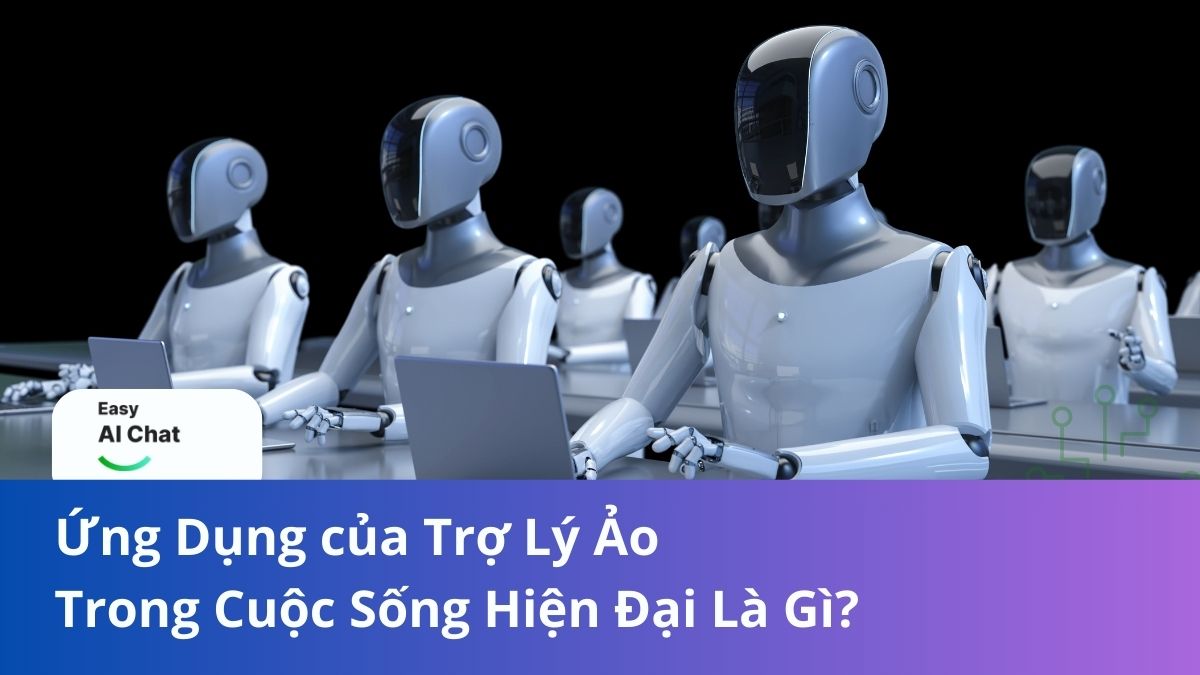
Virtual assistants are gradually becoming an essential part of modern life. They offer a wide range of benefits, from supporting daily tasks to optimizing complex workflows. In this article, we will explore how virtual assistants are being used, the advantages they bring, and the trends shaping their future development.

Have you ever wondered what virtual assistants AI has created that are transforming our daily lives and work? From simple chatbots to advanced assistants capable of understanding complex natural language, artificial intelligence (AI) has revolutionized the way we interact with technology.

In recent years, artificial intelligence (AI) has become an essential part of every industry and sector. One of the most notable applications of AI today is generative AI.
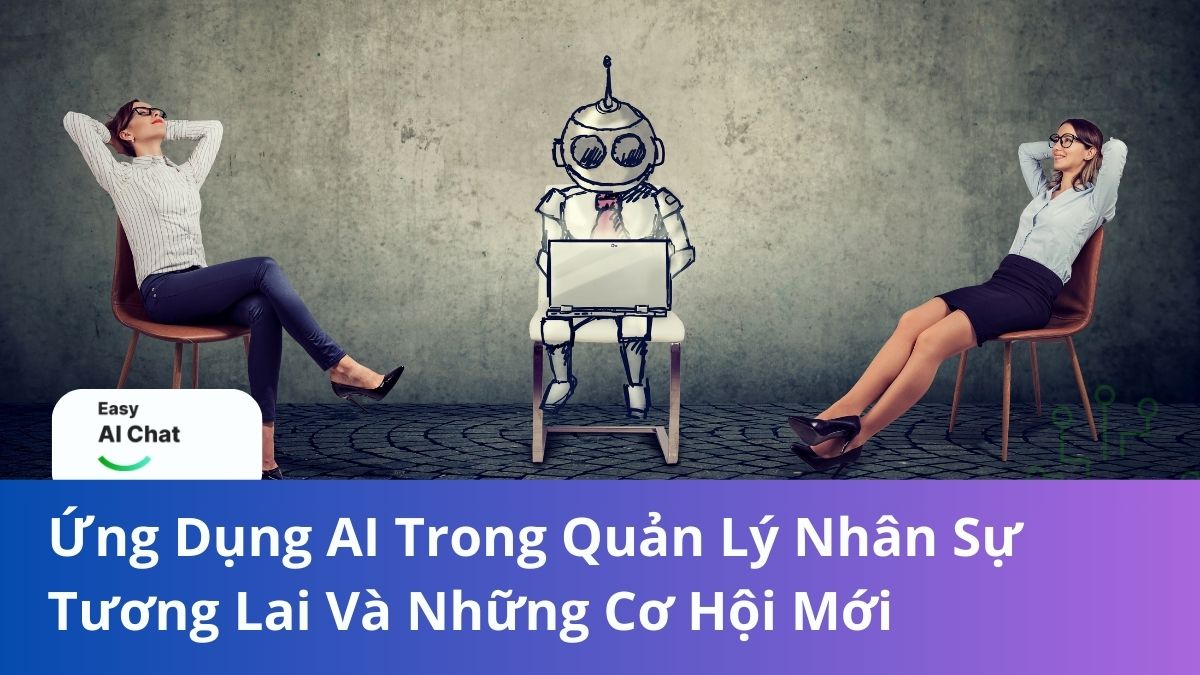
In the digital era, human resource management (HR) is undergoing a profound transformation. Artificial intelligence (AI) is emerging as an inevitable trend, offering unprecedented opportunities to optimize processes, improve efficiency, and build a skilled, engaged workforce.

Artificial intelligence (AI) is no longer an unfamiliar concept. It is increasingly present in every aspect of modern life. We often hear about AI in self-driving cars, intelligent virtual assistants, and facial recognition systems.

Behind every successful AI application, from facial recognition to intelligent product recommendation algorithms, lies a quiet yet critical technical force: Machine Learning Engineering.
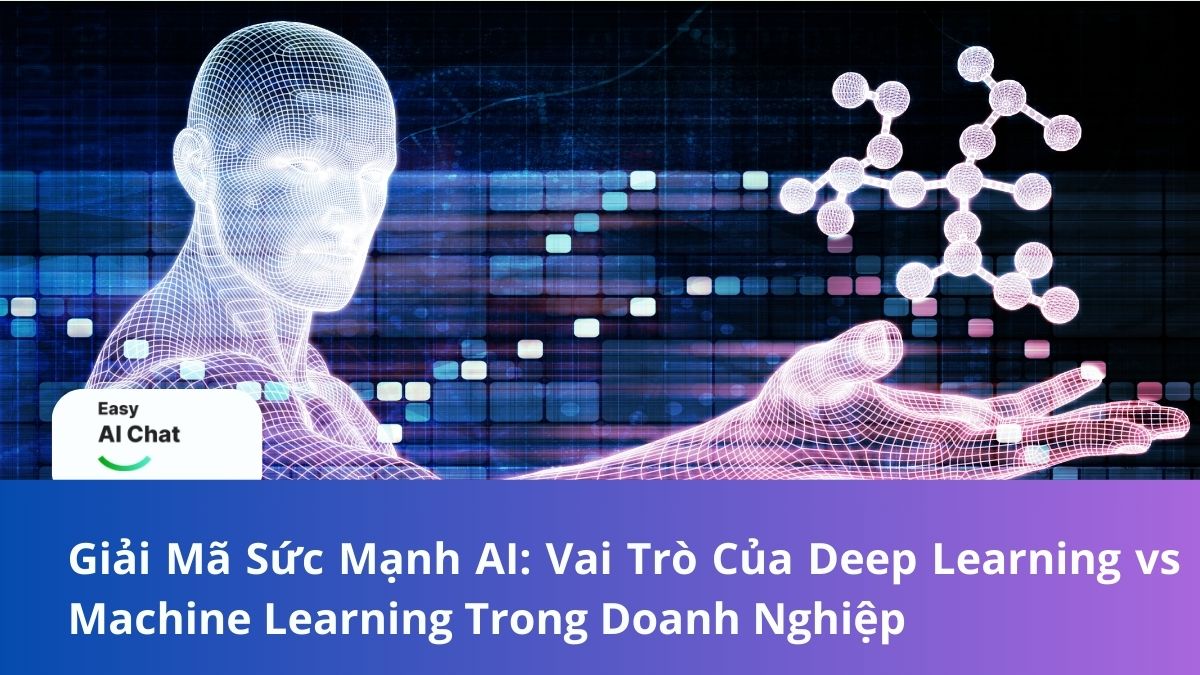
Two terms often mentioned in AI are Machine Learning and Deep Learning. Although they are sometimes used interchangeably, they serve different roles and applications in business environments. This article explores the key differences between Deep Learning and Machine Learning, and how each contributes to business growth and success
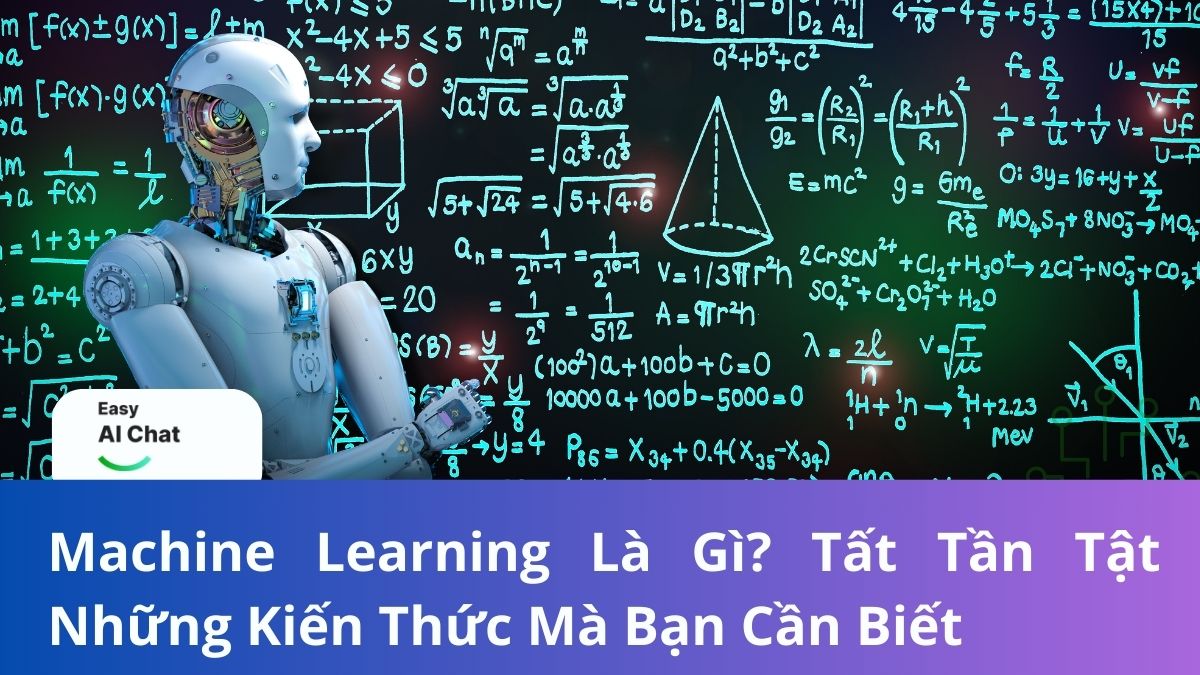
What is machine learning? This is a question many people are asking in the digital age. Machine learning is a branch of artificial intelligence (AI) that focuses on developing algorithms that enable computers to learn from data without being explicitly programmed. Simply put, what is machine learning? It is the ability of computers to “think” and make decisions based on experience derived from data.

Artificial intelligence in education is no longer a distant concept but has become an inevitable trend, ushering in a promising era of Education 4.0. From personalizing learning experiences and optimizing management processes to providing tools for teaching and assessment, artificial intelligence (AI) is steadily proving its essential role in enhancing the quality and effectiveness of education.
Amid the ongoing Industry 4.0 revolution, artificial intelligence (AI) is no longer a distant concept but has become a crucial factor, determining the success or failure of many AI-powered businesses across all sectors.

In the era of rapid digital transformation, AI has emerged as a beacon in the field of artificial intelligence technology, especially with the remarkable development of AI Agent.

In the context of rapid technological advancement, our lives are becoming increasingly convenient and intelligent thanks to the support of mobile devices.

In the digital era, artificial intelligence (AI) is no longer a distant concept but has permeated every aspect of life. One of the most prominent and familiar applications of AI is virtual assistants.